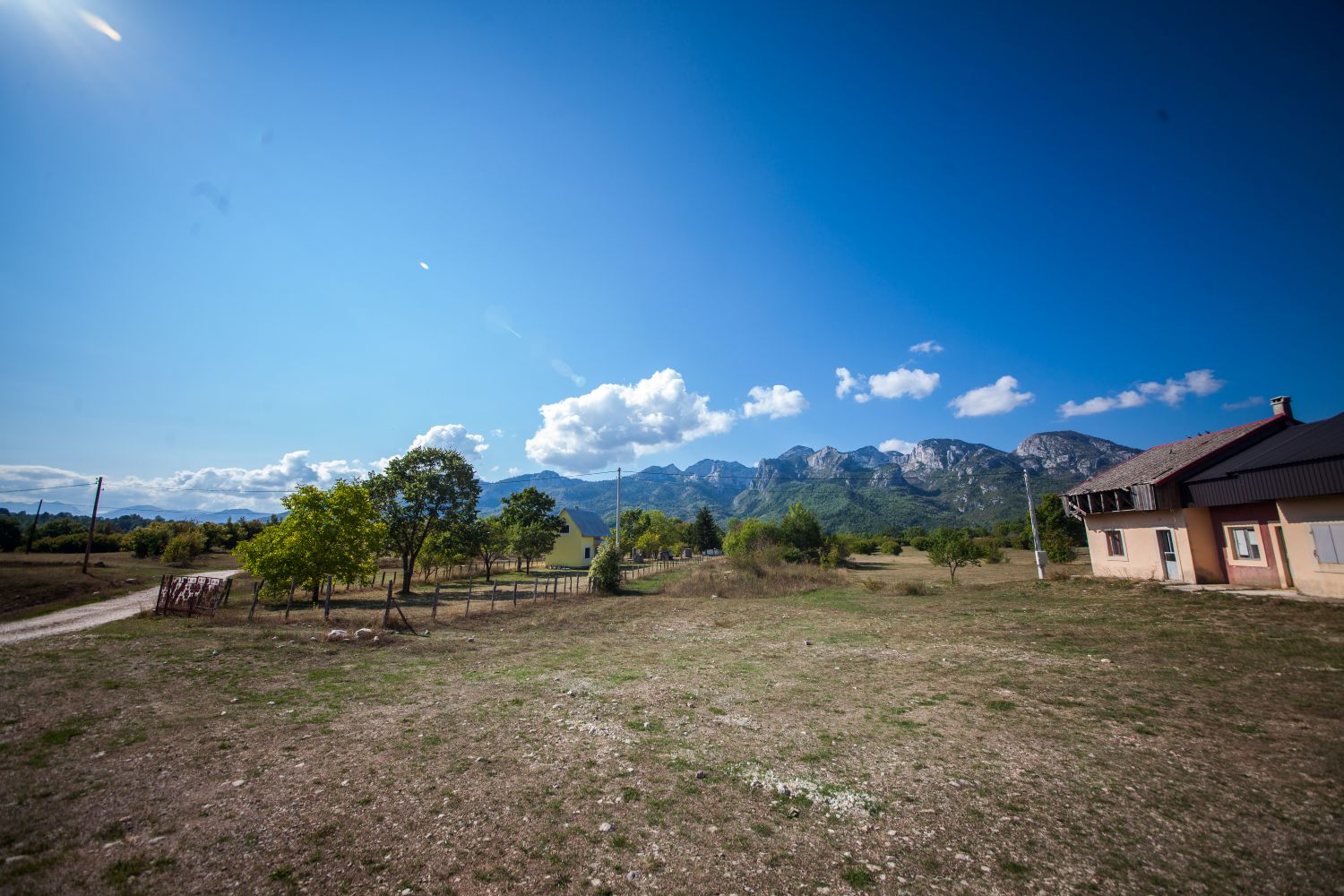
Duži is an old and historically extremely significant village in the municipality of Plužine, located in the southern part of the Piva Plateau.

Here are the most important and interesting details about this village:

1. Geographical position
The village is located on the vast Piva plateau, not far from the main road connecting Nikšić and Plužine, near the villages of Dubrovsko and Bezuje.

It is characterized by the typical landscape of high Piva - meadows, pastures and rugged mountain terrain with clean air and a beautiful view of the surrounding mountain massifs.

2. Historical significance and uprisings
Base of Herzegovina uprisings: Duži have an extremely important role in the history of Montenegro and Herzegovina. During the 19th century and the famous uprisings against Ottoman rule (especially during the Herzegovinian Revolt of 1875-1878), the village and its surroundings were an important meeting point for the insurgents and chieftains.

Prominent personalities: Many notable personalities and heroes who marked the struggle for the liberation of the Piva region come from this region and its surroundings.

3. Spiritual heritage and antiquities
In the village and its surroundings, there are historical traces and old cemeteries, which bear witness to the centuries-old continuity of life in this area.

Due to the proximity of the traditions of the Piva monastery and old churches, the village has always been firmly connected to the Orthodox tradition and folk customs of the Piva tribe.

4. Tradition and animal husbandry
Throughout history, Duži were known for animal husbandry (breeding of sheep and cattle) and beekeeping.

As in the rest of Piva, famous dairy specialties such as beer crust (cream) and full-fat cheese are traditionally prepared here.

5. The village today
Like many other villages in the Piva region, during the second half of the 20th century, Duži suffered population migration towards the cities (Plužine, Nikšić and Podgorica).

Today, a small number of permanent residents live in the village, but the village comes alive during the spring and summer, when the descendants return to their ancestral home to restore the properties, engage in agriculture and enjoy the peace of untouched nature.