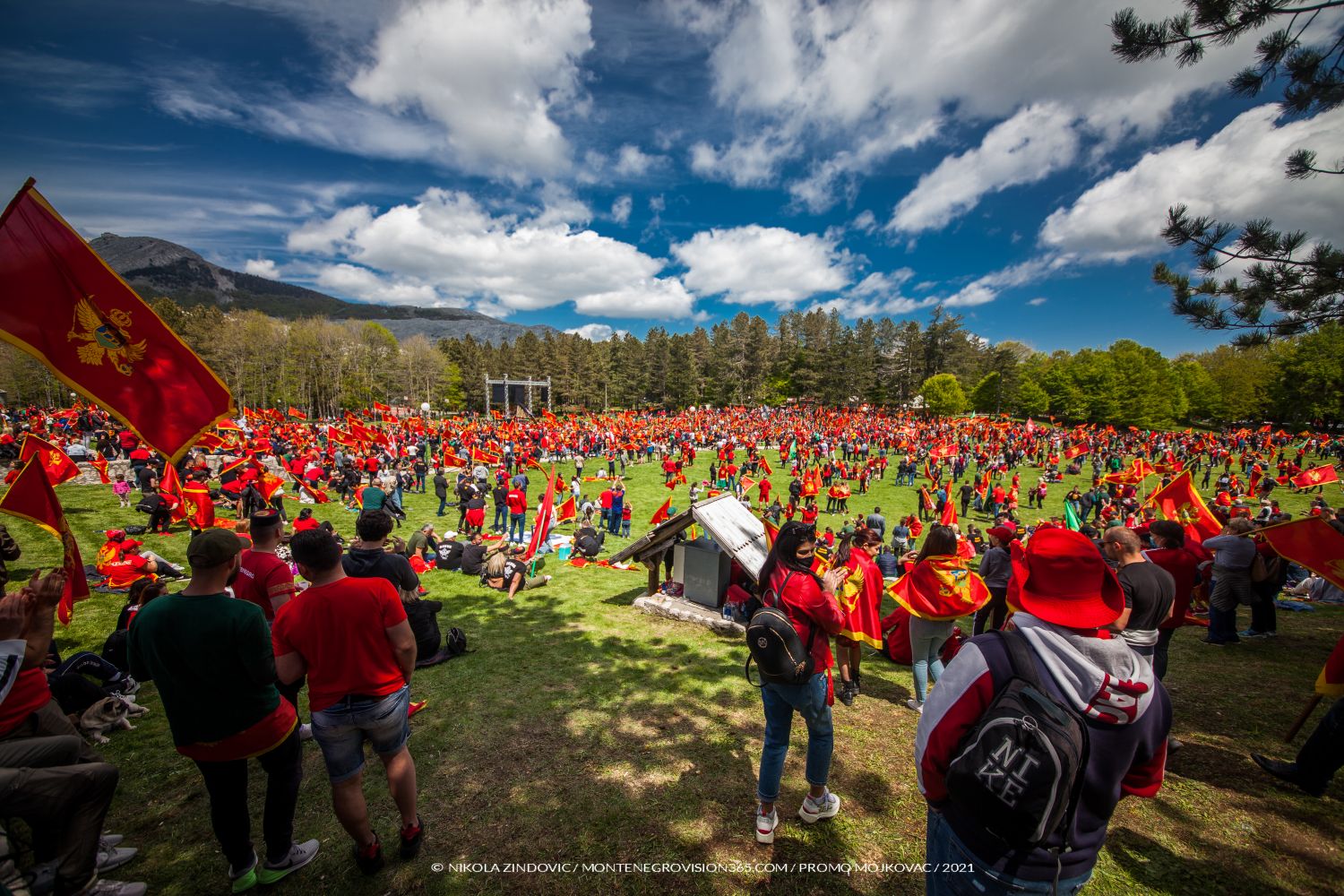
Ivan's Coritas are a famous picnic spot and the heart of the Lovćen National Park, located at about 1,200 meters above sea level, on the territory of the Capital of Cetinje [read: 2]. This is one of the most popular and well-known places for vacation and stay in nature in all of Montenegro. Here are the key details about Ivan's troughs:1. Origin of the name and history The name comes from Ivan Crnojević, the lord and founder of Cetinje (from the 15th century). According to tradition, the ruler built stone troughs in this place to collect clean and cold mountain water from the spring, so the entire locality was called Ivan's trough. The water from these springs is extremely clean, cold and appreciated by locals and visitors. 2. Geography and natureLocation: They are located in a large plateau at the foot of the very peaks of Lovcen - Štirovnik and Jezerski vrh (on which Njegoš's mausoleum is located). Climate: The mixture of Mediterranean and continental climates creates extremely clean and fresh air, which is why Ivan's beds are known as an air spa and an ideal place to recover and escape from the summer heat. Nature: They are surrounded by dense beech and pine forests, and spacious meadows suitable for walking and recreation. 3. Facilities and activitiesHiking and hiking: From there, a large network of marked hiking and walking trails starts that lead to Njegoš's mausoleum on Jezerski vrh, the Krstac lookout point, Kuk or further to Njeguši. basketball), children's playgrounds, as well as areas for barbecues and picnics in the meadow. Lovćen National Park Visitor Center: There is also an educational center of the National Park with a relief display of Lovćen and information about the flora, fauna and history of this region. Accommodation and catering: There are several hotels and restaurants on Ivan's Korits that offer traditional Montenegrin specialties (Njeguš prosciutto, cheese, kačamak and lamb). 4. How to get there? From the direction of Cetinje, there is a good asphalt road about 14 km long leading to Ivan's Koritas. They are also connected to Kotor (via the famous Kotor serpentines and Njeguš) and Budva (via Cetinje or Brajić).